Most current reconstruction technologies focus on creating models that appear to be correct. This is perfectly suitable for presentation, entertainment, or digital content applications. But for Digital Twin problems – where models are used for measurement, spatial analysis, operational simulation, and…
Explore
knowledge
Exploring the frontiers of 3D visualization, real-time Digital Twin synchronicity, and advanced industrial simulation.

In Part 3, we solved the problem of geometric optimization by using XPath to precisely extract the LOD level that meets project requirements (e.g., <bldg:lod2Solid>). However, a classic error scenario often occurs immediately afterward: despite having a structurally sound model that…

In Part 1, we established a core principle: CityGML is the Semantic Single Source of Truth (SSOT) for the entire project, while formats like 3D Tiles, OBJ, or FBX are merely output formats for display purposes. If one attempts to pursue…

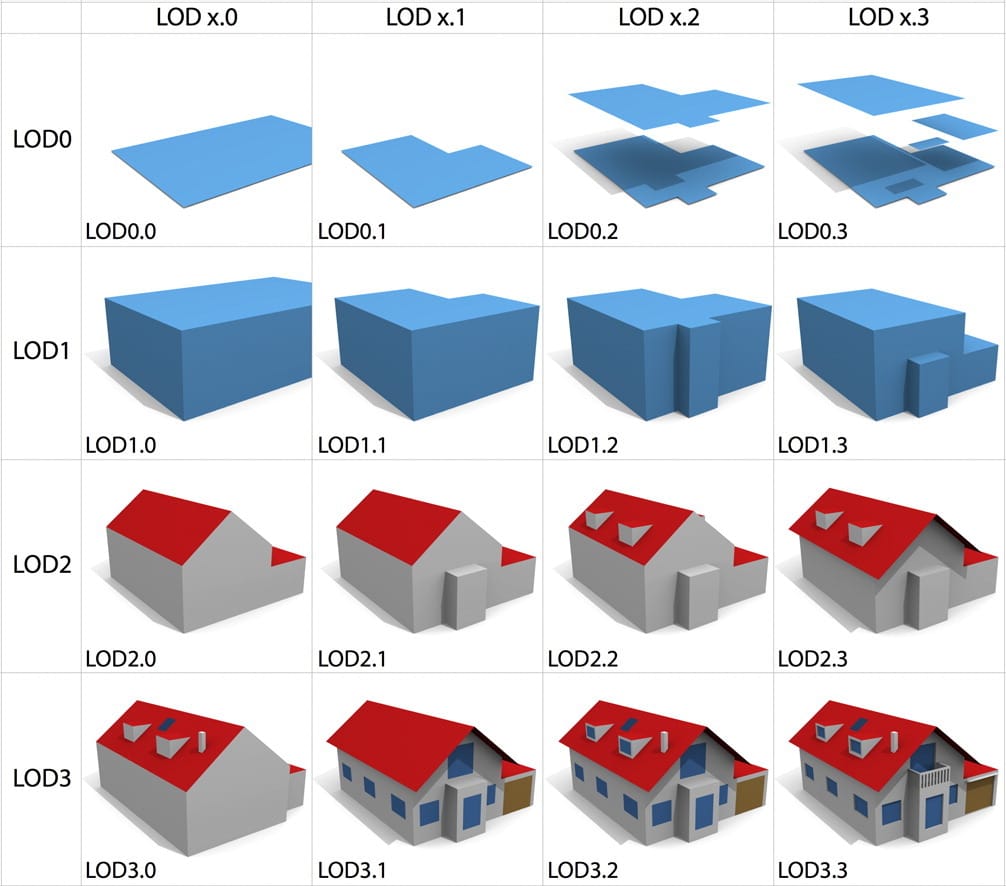
LOD in Urban Digital Twin: When the level of detail becomes a Data Architecture decision In Part 2, we agreed on a fundamental principle of Urban Digital Twin: data is only truly valuable when its semantic structure reaches a validated & consistent level…

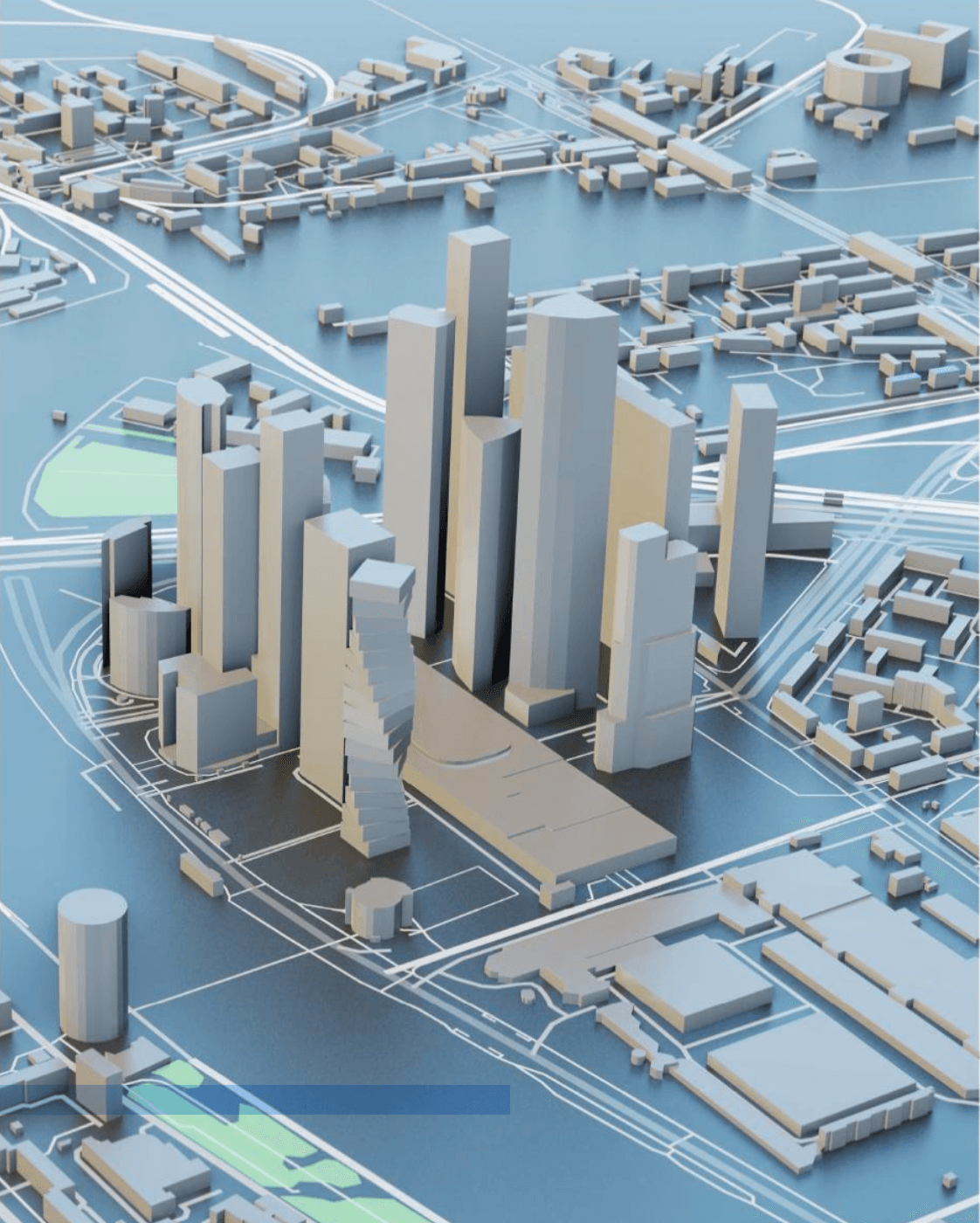
THE IMPORTANCE OF LEVELS OF DETAIL (LOD) IN 3D MODELS In the era of Smart Cities, Digital Twins are fundamentally changing how we manage infrastructure. However, simulating the real world in cyberspace is not merely about drawing 3D models. In practice,…
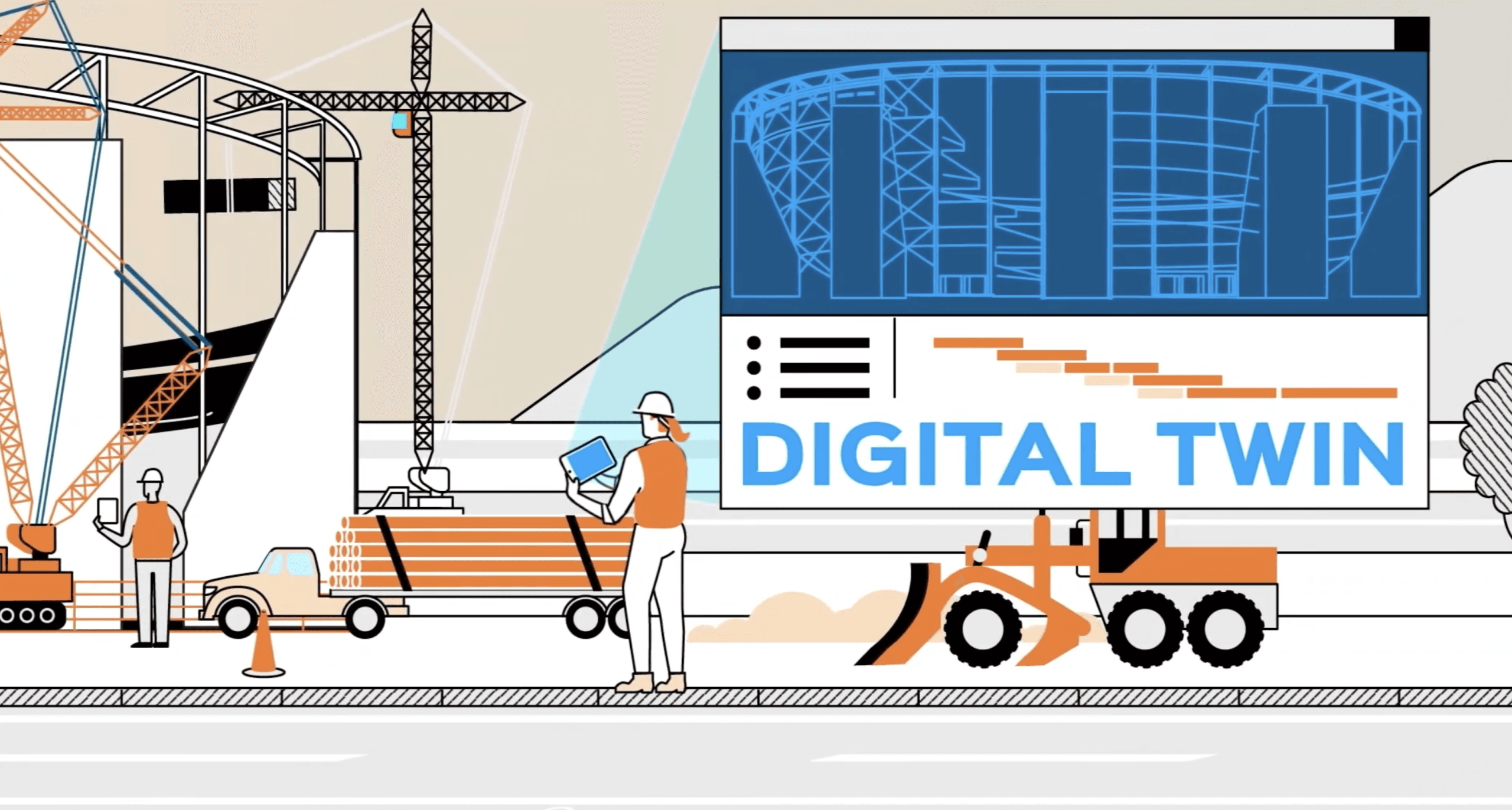
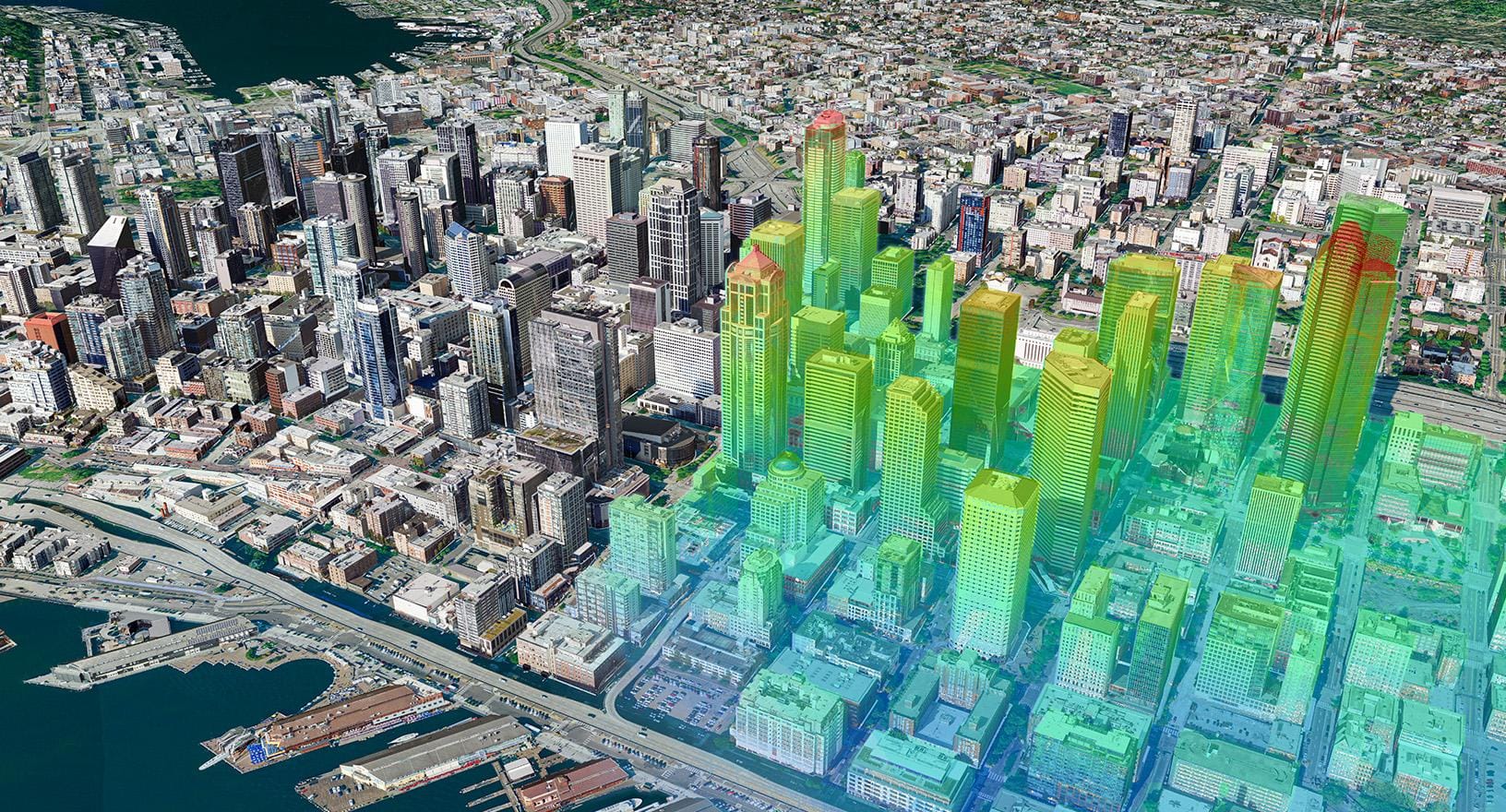
10 STRATEGIC APPLICATIONS OF DIGITAL TWINS: GUIDING VIETNAM’S FUTURE The comprehensive landscape of Digital Twin applications in Vietnam is undergoing a strategic shift. This technology is gradually moving beyond the limitations of static 3D models. The goal is to create a…